


Preparing Your Used Car for Fall in Council Bluffs: Heat, Frost, and Everything Between
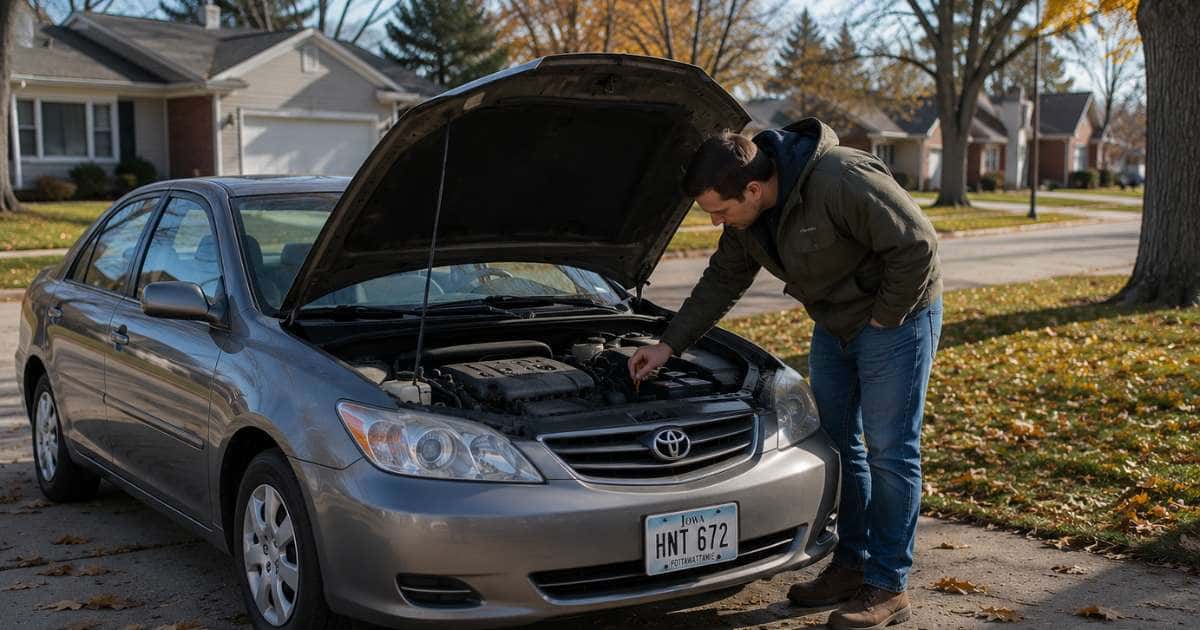
Get Ahead of Iowa Weather
Fall is your opportunity to catch problems before freezing temperatures expose them.
Focus first on your battery, tires, brakes, fluids, visibility systems, and the safety supplies you keep inside your vehicle.
Why Fall Is the Right Time to Service Your Used Car in Council Bluffs
Fall is genuinely the best window for vehicle maintenance because you’re catching problems before they become emergencies. Cold weather exposes weaknesses that were already there. A battery holding on by a thread in September will fail you on a 10-degree morning in January. Tires worn thin from summer road trips will lose traction the moment Council Bluffs roads turn slick.
For drivers of used cars, this seasonal checkup matters even more. Pre-owned vehicles may carry wear that hasn’t shown up in obvious ways yet. A fall inspection gives you a clear picture of what your car needs before harsh conditions push everything to its limit.
Battery Health: Your Top Priority Before Iowa Temperatures Drop
No component suffers more from seasonal transitions than your battery. Iowa’s summer heat slowly degrades battery capacity, and when cold weather hits, a weakened battery can’t deliver the power needed to crank a cold engine reliably.
Checking Cold Cranking Amps and Terminals
When evaluating your battery, pay attention to the cold cranking amps (CCA) rating, which tells you how much power the battery can deliver in cold temperatures. Most auto parts stores and Council Bluffs repair shops will load-test your battery at no charge. While you’re at it, inspect the terminals for white or greenish corrosion that restricts current flow. Cleaning terminals is a five-minute DIY task that can prevent sluggish starts even with an otherwise healthy battery.
Signs Your Battery Won’t Survive the Season
Watch for these warning signs before the first frost:
- ! Slow or labored cranking when you turn the key
- ! Headlights that dim noticeably during startup
- ! Accessories cutting in and out unexpectedly
- ! A dashboard charging warning light
- ! A battery that is 3 to 5 years old and has never been replaced
If any of these apply, have a mechanic perform a load test. Replacing a battery proactively costs far less than a tow on a cold Council Bluffs morning.
Tires and Brakes: Handling Council Bluffs’ Slick Transition Roads
Council Bluffs roads in late fall can be unpredictable. Morning frost, early-season ice patches, and wet leaves all reduce traction well before full winter conditions set in.
Tread Depth, Pressure, and Tire Type
Check tread depth with a quarter: insert it into a groove with Washington’s head pointing down. If you can see the top of his head, tread is getting low. Tire pressure also deserves close attention because it drops roughly 1 PSI for every 10°F decrease in temperature. Underinflated tires reduce handling and fuel efficiency, both of which matter on slick fall roads. Check your door jamb sticker for the correct PSI and inspect pressure once a month before driving, when tires are cold, as recommended by AAA.
Choosing the right tire type also makes a real difference here on the Iowa-Nebraska border. All-season and winter tires each have trade-offs worth understanding for Council Bluffs driving:
| Factor | All-Season Tires | Winter Tires |
|---|---|---|
| Tread compound | Firms up below 45°F, reducing grip | Stays pliable in sub-freezing temps |
| Temperature range | Best above 45°F | Optimized below 45°F |
| Stopping distance on ice | Longer | Significantly shorter |
| Cost consideration | One set year-round | Requires swapping seasonally |
| Ideal use case | Mild winters, varied conditions | Heavy snow, ice, extended cold |
For most Council Bluffs drivers facing genuine Iowa winters, winter tires offer meaningfully better stopping distances on ice. If budget is a concern, all-season tires with strong tread are a practical compromise.
Brake Inspection After a Long Iowa Summer
Summer driving is hard on brakes. Before winter arrives, listen for squealing or grinding when you stop, and notice any vibration in the pedal or longer stopping distances. These are signs pads or rotors need attention. Addressing this now means full stopping confidence when roads get slippery.
Concerned Your Current Car Is Not Ready for Winter?
Explore current used vehicles at CarHop of Council Bluffs before colder weather puts additional stress on an already unreliable vehicle.
Fluids to Check Before the First Frost
A fall fluid check is one of the simplest, most effective things you can do to protect your vehicle. Here’s what to go through:
Engine Oil and Coolant: Your Cold-Start Essentials
Engine oil is straightforward: follow your owner’s manual for service intervals. On higher-mileage vehicles heading into an Iowa winter, consider switching to a lower-viscosity oil like 5W-30 or 0W-20 for easier cold starts.
Coolant needs both a level check and a freeze protection test. For Iowa winters, a 50/50 antifreeze-to-water mix is typically right, protecting down to around -34°F.
Brake, Washer, and Power Steering Fluids: Safety on Ice
Brake fluid absorbs moisture over time, which lowers its boiling point. Keep it between the min and max marks and have it checked at your next service visit.
Windshield washer fluid is easy to overlook until it’s too late. Standard water-based fluid will freeze solid in your reservoir, so switch to a cold-weather formula rated for below-freezing temperatures before the cold hits.
Power steering fluid (on equipped vehicles) matters more than people realize. Low fluid makes steering feel stiff on any road, and on ice that becomes a genuine safety issue.
Don’t Forget the Undercarriage
Council Bluffs sits right on the Iowa-Nebraska border where road salt use is heavy. While you’re under the hood, it’s worth having a mechanic glance at your undercarriage and rocker panels, since freeze-thaw cycles combined with road salt accelerate corrosion on older vehicles.
Visibility and Lighting: Wipers, Defrosters, and Bulb Checks
Shorter days mean more driving in the dark, and reduced visibility contributes to fall and winter accidents. Walk around your vehicle with the lights on and verify that headlights, taillights, brake lights, running lights, and fog lights (if equipped) are all working. Replacing a burned-out bulb is inexpensive and fast.
Wiper blades should be replaced every 6 to 12 months, depending on conditions. Streaky or skipping blades are worn out. Also test both your front defroster (through the climate control system) and rear defroster (the heated grid on your back window). If either isn’t clearing properly, a Council Bluffs mechanic can diagnose it before you actually need it on a frosty morning.
DIY vs. Professional: Knowing What You Can Handle
Not every task requires a shop visit. Here’s an honest breakdown:
Handle yourself:
- ✓ Checking and adjusting tire pressure
- ✓ Topping off the windshield washer fluid
- ✓ Testing wipers, lights, and defrosters
- ✓ Inspecting battery terminals for corrosion
- ✓ Checking fluid levels visually
Leave it to a professional:
- ● Battery load test and charging system evaluation
- ● Coolant flush and freeze-protection test
- ● Brake pad and rotor inspection
- ● Oil viscosity change on high-mileage engines
- ● Undercarriage corrosion inspection
If your budget is tight, prioritize the professional tasks that directly affect safety: brakes, battery, and tires.
Building a Fall and Winter Emergency Kit for Council Bluffs Roads
Even with a fully prepped vehicle, Iowa weather can surprise you. A basic emergency kit costs very little but could matter a great deal if you’re stuck on a rural road outside Council Bluffs during a storm. Stock your car with:
- ✓ Jumper cables
- ✓ Flashlight
- ✓ Blankets and extra clothes
- ✓ Bottled water and nonperishable food
- ✓ First aid kit
- ✓ Ice scraper and snow brush
None of these items are expensive, but together they give you real peace of mind through the winter months.
Is It Time to Prep Your Car or Trade Up Before Winter Hits?
Weighing Repair Costs Against Vehicle Value
After going through this checklist, you might realize your current vehicle has more issues than make financial sense to fix. That’s a situation many used car owners face, and it’s worth thinking about honestly. If your battery, tires, brakes, and multiple fluid systems all need attention on an older vehicle, repair costs can quickly add up to more than the car is worth.
When a vehicle has one or two items to address, fall maintenance is a smart investment. When several systems are failing at once, the math often shifts toward finding a more reliable vehicle instead.
Related Council Bluffs Driving Resources
How We Can Help at CarHop of Council Bluffs
If you’re at that crossroads, it’s worth exploring your options before winter sets in. At CarHop of Council Bluffs, we specialize in helping people with credit challenges get into a reliable used vehicle without the runaround of traditional financing. Our in-house financing is available even for buyers who’ve been turned down elsewhere or are working through past financial difficulties. You can get fast approval here and see if a newer, more dependable car makes more sense than pouring money into repairs.
We also have a selection of used vehicles priced under $10,000 for buyers who need to stay within a tight budget. CarHop of Council Bluffs is located at 3029 West Broadway, Council Bluffs, IA 51501. If you have questions about inventory or financing, visit our contact page and we’ll get back to you promptly.
Whether you’re prepping your current car for the season or looking at a fresh start before the cold arrives, the goal is the same: getting through fall and winter safely, without breakdowns and without financial stress. Taking action now, while the weather still gives you a window, is always the smarter move.
Frequently Asked Questions About Used Car Fall Maintenance in Council Bluffs
When should I begin fall maintenance on my used car in Council Bluffs?
Begin during early fall, before regular overnight freezing temperatures arrive. This gives you time to address battery, tire, brake, fluid, and visibility problems before winter weather makes them more serious.
How can I tell whether my car battery may fail during cold weather?
Warning signs include slow cranking, dim headlights during startup, intermittent accessories, a charging warning light, visible terminal corrosion, or a battery that is already 3 to 5 years old.
Are winter tires necessary for driving in Council Bluffs?
Winter tires provide better cold-weather grip and shorter stopping distances on ice. Drivers who cannot purchase a separate winter set should make sure their all-season tires have strong tread and are properly inflated.
Which vehicle fluids should I check before the first frost?
Check engine oil, coolant, brake fluid, cold-weather windshield washer fluid, and power steering fluid on vehicles equipped with a hydraulic power steering system.
Which fall maintenance tasks can I safely handle myself?
Many drivers can check tire pressure, top off washer fluid, test lights and defrosters, inspect battery terminals, and visually check fluid levels. Battery testing, brake inspections, coolant service, and corrosion inspections are better handled by a professional.
What should I keep in my car during fall and winter?
Keep jumper cables, a flashlight, blankets, extra clothing, bottled water, nonperishable food, a first aid kit, an ice scraper, and a snow brush inside your vehicle.
When should I consider replacing my current car instead of repairing it?
One or two maintenance needs may be worth repairing. When an older vehicle simultaneously needs a battery, tires, brakes, fluid-system work, and other major repairs, compare the total repair cost with the vehicle’s value and the cost of moving into a more dependable option.
Need a more dependable vehicle before winter?
Browse current CarHop of Council Bluffs inventory or begin the fast approval process online.
0 comment(s) so far on Preparing Your Used Car for Fall in Council Bluffs: Heat, Frost, and Everything Between