


The Council Bluffs Commuter’s Guide to I-80 & I-29: Vehicle Prep & Safety Tips
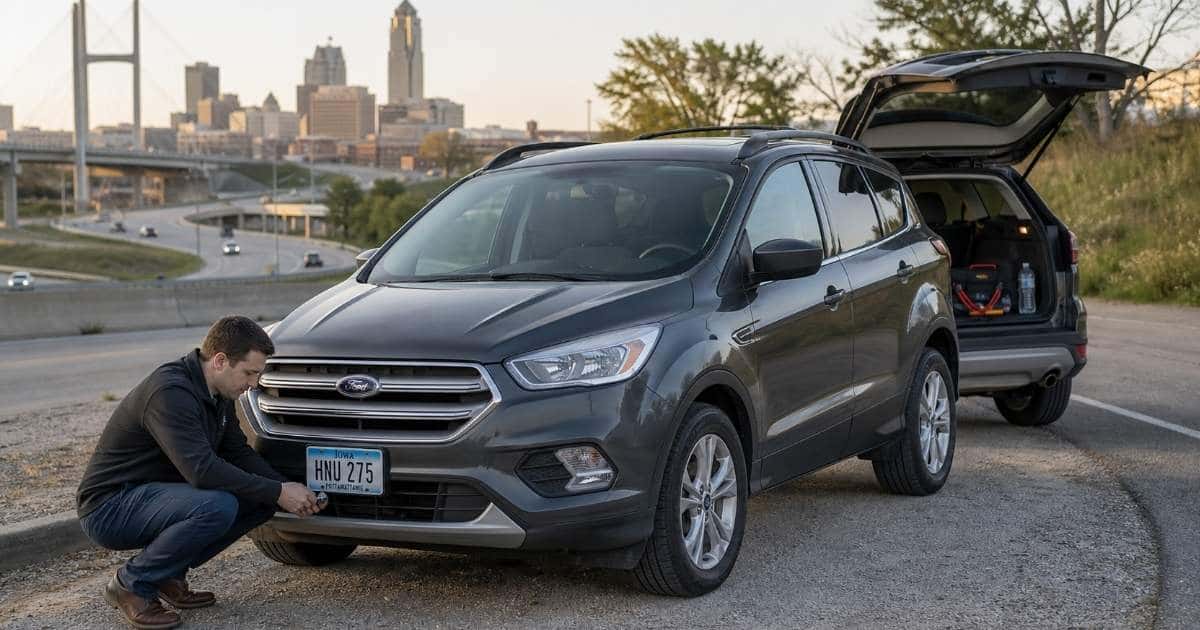
Interstate-Ready Commuting
I-80 and I-29 put real stress on daily drivers.
A quick vehicle check, seasonal prep, and smarter driving habits can help Council Bluffs commuters stay safer on busy interstate routes.
Why Council Bluffs Commuters Face Unique Demands on I-80 and I-29
Council Bluffs sits at the convergence of two major interstates, which means local commuters deal with some of the most complex traffic patterns in the region. I-80 carries heavy freight and interstate travel east and west, while I-29 runs through a stretch known for unpredictable weather shifts, especially near the Missouri River floodplain.
When traffic stacks up near the Missouri River bridges during rush hours, even a minor mechanical issue can strand you somewhere dangerous. Iowa weather also hits harder than many people expect. Winters are punishing, summers are brutal, and spring storms can move in fast.
The Pre-Trip Inspection: What to Check Before Every Commute
Most commuters don’t think twice about whether their car is ready before pulling out of the driveway. A quick pre-trip walk-around can catch small problems before they become dangerous on the interstate.
| Item to Check | What to Look For | How Often | Seasonal Priority |
|---|---|---|---|
| Tire pressure and tread | Low pressure, visible wear, sidewall damage | Daily / before each trip | Winter and summer |
| Brakes | Squealing, grinding, vibration, soft pedal | Daily / before each trip | Year-round |
| Oil level | Low level, dark or gritty texture on dipstick | Weekly | Year-round |
| Coolant level | Low reservoir, discoloration | Weekly | Summer |
| Brake fluid | Low reservoir level | Weekly | Year-round |
| Windshield washer fluid | Low reservoir | Weekly | Winter |
| Power steering fluid | Low reservoir, whining when turning | Weekly | Year-round |
| Headlights and brake lights | Dim, flickering, or burned-out bulbs | Weekly | Winter |
| Turn signals and hazard lights | Non-functional or rapid blinking | Weekly | Year-round |
| Windshield wipers | Streaking, skipping, torn blades | Weekly | Winter and summer |
| Mirrors | Cracked, loose, or misaligned | Before each trip | Year-round |
Tires, Brakes, and Fluid Levels
Tires are your first line of defense on any commute. Check for visible wear, low pressure, or sidewall damage that could worsen under highway speeds. Properly inflated tires also improve fuel efficiency and handling, which matters when you’re braking hard in heavy traffic.
Brakes should feel firm and responsive without pulling to one side. Grinding sounds or a spongy pedal are worth taking seriously before you ever hit the interstate. While you’re at it, take a minute to check engine oil, coolant, brake fluid, washer fluid, and power steering fluid.
Lights, Wipers, and Windshield Visibility
Council Bluffs commuters often leave before sunrise and return after sunset, so functional headlights and taillights aren’t optional. Wiper blades wear out faster than most people expect, and Iowa’s spring rain season will expose any weakness quickly.
Battery Health and Under-the-Hood Essentials for Daily Drivers
A dead battery is one of the most common reasons commuters end up stranded, and it almost always happens at the worst time. Cold Iowa mornings are especially hard on older batteries because low temperatures reduce their ability to hold a charge.
Beyond the battery, keep an eye on belts and hoses. A cracked serpentine belt or a bulging coolant hose can fail suddenly and leave you on the shoulder of I-80 with steam pouring from under the hood. For used vehicles especially, knowing the maintenance history helps you anticipate what’s coming due and avoid surprises.
Seasonal Readiness: Winter Ice, Spring Rain, and Summer Heat
No other factor shapes Council Bluffs vehicle prep quite like the seasons. The region’s weather shifts fast, and your vehicle needs to keep pace.
Winter Prep for Iowa and Nebraska Interstates
Winter on I-80 and I-29 is not something to take lightly. Black ice forms quickly on bridge decks and low-lying sections near the river, and wind-driven snow can reduce visibility to near zero within minutes.
Before winter sets in, confirm your tires have adequate tread depth, keep your gas tank at least half full, and confirm your antifreeze is mixed properly for temperatures that can dip well below zero.
Staying Road-Ready Through Warmer Months
Spring and summer bring their own challenges. Heavy spring rains across Iowa and Nebraska can lead to standing water on roadways, and hydroplaning on worn tires is a real risk even at moderate speeds.
Summer heat hits your cooling system and tires hard. Check your coolant level, inspect hoses, monitor tire pressure, and replace wiper blades before storm season picks up.
For real-time conditions before you leave home, check 511ia.org for Iowa DOT road conditions and Nebraska 511 for the Nebraska side of your commute.
Need a More Dependable Daily Driver?
If getting into a dependable vehicle before next winter is on your radar, CarHop of Council Bluffs can help you explore used vehicles and fast approval options built around real-life credit situations.
Building a Commuter Emergency Kit for Iowa Roads
Even a well-maintained vehicle can run into unexpected situations on I-80, I-29, or the connecting Omaha metro routes. A solid emergency kit doesn’t need to be elaborate, but it should cover the basics:
- ✓ Jumper cables or a jump starter
- ✓ Flashlight with fresh batteries
- ✓ Reflective triangles or road flares
- ✓ Small first-aid kit
- ✓ Blanket, gloves, and hat for cold weather
- ✓ Water and nonperishable snacks
- ✓ Ice scraper and small shovel in winter
- ✓ Phone charger or charging cable
- ✓ Tire pressure gauge
- ✓ Basic toolkit
These items sit quietly in your trunk until you need them. When that moment comes on a dark stretch of I-29, you’ll be glad they’re there.
Safe Driving Habits That Reduce Risk on I-80 and I-29
Vehicle prep covers half the equation. How you drive on these interstates matters just as much. I-80 carries commercial truck traffic in high volumes, and sharing the road with fully loaded semis requires real awareness.
Maintain a following distance that gives you enough time to react if traffic suddenly slows. The general guidance is at least one car length per ten miles per hour of speed on dry roads. If you’re driving a van or larger vehicle, factor in extended braking distances and give yourself additional space.
Know when conditions make driving inadvisable. Active black ice warnings on I-80 or I-29, visibility under one-quarter mile due to snow or fog, and wind advisory postings affecting high-profile vehicles or exposed bridge sections are all worth taking seriously before you commit to the interstate.
Distracted driving compounds all of these risks at highway speeds. Keep your eyes scanning ahead, check your mirrors regularly, and stay aware of traffic patterns several vehicles ahead rather than just the car directly in front of you.
Find a Reliable Used Vehicle for Your Daily Council Bluffs Commute
All the safety tips in this guide work best when you’re starting with a vehicle you can actually trust. If your current car is a constant source of reliability concerns, exploring your options is a reasonable next step.
CarHop of Council Bluffs uses an in-house financing model, which means the dealership handles both the vehicle and the financing. Previous credit challenges or a limited credit file won’t automatically close the door.
Frequently Asked Questions About Council Bluffs Commuter Vehicle Safety
Why do Council Bluffs commuters need to be extra proactive about vehicle prep?
Council Bluffs sits near the convergence of I-80 and I-29, where heavy freight traffic, bridge congestion, fast weather changes, and high-speed travel can turn small vehicle problems into serious safety risks.
What should I check before a daily interstate commute?
Check tire pressure and tread, brakes, mirrors, lights, wipers, and key fluids including oil, coolant, brake fluid, washer fluid, and power steering fluid.
How should I prepare my vehicle for winter on I-80 and I-29?
Confirm your tires have adequate tread, keep your gas tank at least half full, check antifreeze, test your battery, and review road conditions before leaving home.
What should be in a commuter emergency kit?
A commuter emergency kit should include jumper cables or a jump starter, flashlight, reflective triangles, first-aid kit, cold-weather gear, water, snacks, a phone charger, tire pressure gauge, and basic tools.
Where can I find a reliable used vehicle for commuting in Council Bluffs?
CarHop of Council Bluffs offers used vehicles and in-house financing options for drivers who need a dependable daily commuter, including shoppers with previous credit challenges or limited credit history.
Need a commuter car you can count on?
Browse CarHop of Council Bluffs used vehicles or start the fast approval process today.
0 comment(s) so far on The Council Bluffs Commuter’s Guide to I-80 & I-29: Vehicle Prep & Safety Tips