


Winter’s Last Stand: Essential Spring Maintenance for Your Used Car in Council Bluffs, IA
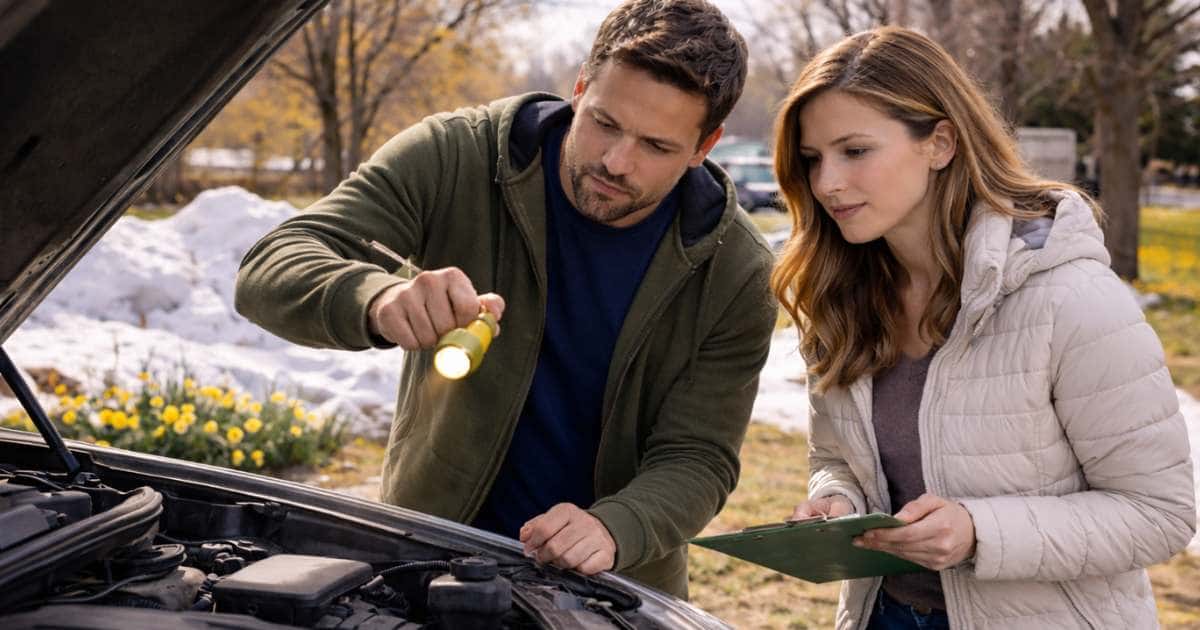
As the last of the snow melts off the Loess Hills and reveals the pothole-ridden streets of Council Bluffs, it’s time to assess the toll a harsh Iowa winter has taken on your vehicle. This post-winter car maintenance checklist is designed specifically for Iowa drivers, and if you’ve been searching for spring car maintenance Council Bluffs IA, you’re in the right place.
Between winter storm advisories, those sudden temperature swings, and the way snow and ice can hang around our roads for 4–6 months, your car takes a beating here. Add in salt and brine on I-80 and I-29, plus slick spots and black ice on bridges and overpasses, and it’s no surprise that spring is when little issues show up. Let’s walk through what to check now, before a small winter problem becomes an expensive summer repair.
The Battle Against Road Salt Corrosion
If you drive in western Iowa, you already know the tradeoff: the plows and salt trucks keep traffic moving, but the salt and brine can be brutal on vehicles. After a winter of spray coming off I-80 and I-29 (and the slush that collects on busy stretches like Madison Avenue), the most important thing you can do is remove that corrosive buildup, especially if you’re trying to protect a used car’s value.
Start with an undercarriage wash. Not just a quick rinse on the doors, get the underbody. If you’ve ever parked after a storm and seen that white, crusty residue along the rocker panels, that’s the stuff that keeps working even after the roads look “dry.” A good wash should focus on:
- Wheel wells (where salty slush packs in and sits)
- Rocker panels (the lower sides that get sandblasted all winter)
- Frame/underbody (especially seams and mounting points)
Next, do a quick visual check (or have a shop do it) on brake lines and fuel lines. Those lines run underneath and can rust over time, sometimes you won’t notice until you’re dealing with a leak or a brake warning light. Also take a look at the exhaust hangers and clamps; they’re common rust points after repeated exposure to brine.
This is the cornerstone of any “post winter car maintenance in Iowa” routine. If you only do one thing after the snow emergency routes finally calm down and the salt trucks aren’t running as often, make it this. And if you’re also thinking about long-term reliability and financing options, our local guide to buy here pay here options in Council Bluffs is a helpful read for what to expect.
Navigating Pothole Season Damage
Spring in Council Bluffs has a “bonus season” nobody asks for: pothole season. The freeze-thaw cycle is relentless, water gets into cracks, freezes, expands, and by the time we’re bouncing from one warm afternoon to a cold night again, those cracks turn into tire-eating craters. You’ll feel it most on well-traveled routes and connectors, and it’s not unusual to notice new rattles after a week of commuting.
If you’re keeping up with spring car maintenance Council Bluffs IA, pothole checks should be near the top of your list because the damage can be sneaky: you might not see anything from the outside, but you’ll feel it in how the car drives.
Tire Inspection and Pressure
First, check your tires carefully. Potholes can cause:
- Sidewall bulges (a sign the internal structure is damaged)
- Cuts or bubbles near the rim area
- Bent wheels that lead to vibration at highway speeds
Then check tire pressure with a real gauge (not just the dash estimate). Temperature swings can drop PSI, and underinflated tires are more likely to pinch and get damaged when you hit a pothole. Set PSI to the sticker in the driver’s door jamb, not the “max PSI” printed on the tire.
Suspension and Alignment Check
Next, pay attention to new sounds. If you’re hearing clunks or rattles when driving over bumps, especially on streets like Kanesville Blvd, it can point to worn or damaged suspension parts like struts, shocks, sway bar links, or tie rods. Even if the car still feels “fine,” those parts can loosen up fast once they’ve taken a hard hit.
Alignment is the other big one. If your car starts pulling to one side or the steering wheel is suddenly off-center, a pothole may have knocked things out of spec. This is essential pothole season car care for Council Bluffs drivers because a bad alignment can chew through tires quickly, turning a small spring problem into a full set of tires you didn’t plan on buying.
If you’re comparing options (or you’re at the point where winter + potholes have you thinking about replacing the vehicle), it helps to browse what’s available locally. You can start with used vehicles available in Council Bluffs to get a feel for what fits your commute, whether that’s getting across town, heading toward Omaha, or doing regular highway time on I-29.
Reviving Under-the-Hood Components
Winter doesn’t just mess with what you can see. Under the hood, the cold snaps and subzero mornings can quietly shorten the life of parts that were already borderline. If you’ve ever had that slow crank after a night of brutal wind chill, you know what we mean.
Battery health is the first check. Extreme cold reduces battery performance, and a battery that “survived” winter can still be weak enough to leave you stranded in early spring, especially when you start running accessories again (fans, phone chargers, defrosters during wet mornings). Most parts stores and many shops can test it quickly.
Next, inspect belts and hoses. Cold can make rubber stiff and brittle, and once temperatures rise, those small cracks can turn into leaks or failures. Look for:
- Cracking or fraying on belts
- Soft spots, bulges, or seepage on hoses
- Coolant residue around hose connections
Finally, check your fluids: oil, coolant, and windshield washer fluid. Winter driving is hard on engines (lots of cold starts and idling), and most of us go through washer fluid fast clearing salty grime off the windshield. Top off what’s low and follow your maintenance schedule if an oil change is due. It’s a simple part of spring car maintenance Council Bluffs IA that pays off in reliability.
Restoring Visibility and Safety Systems
In an Iowa winter, visibility is safety. The mix of ice, snow, and gritty road spray is abrasive, and by the time spring arrives, a lot of cars are driving around with wipers that are basically smearing salt film.
Replace your wiper blades if they’re streaking, chattering, or leaving a hazy band right in your line of sight. Also make sure your washer nozzles spray evenly; they can get partially clogged after months of brine and grime.
Next, clean your headlights and taillights. Winter leaves a dull film that cuts brightness more than people realize, especially on overcast spring days. If your headlight lenses are cloudy, a basic restoration kit can help, but even a thorough cleaning makes a difference.
Finish with a quick light check: headlights (low/high), brake lights, turn signals, and hazards. It takes two minutes, and it’s one of the easiest ways to avoid a preventable ticket, or a close call, when roads are wet and visibility is changing fast.
Your Professional Vehicle Inspection Partner
DIY checks are a great start, but a professional vehicle inspection after winter in IA can catch the stuff you can’t easily see in a driveway, like subtle suspension wear, early corrosion on critical components, or damage from a pothole hit that didn’t show up until later.
If you’ve been navigating snow emergency routes, dodging plow berms, and driving through months of salt and brine, it’s worth having a technician look over the undercarriage, brakes, steering components, and tires. That’s especially true if you plan on keeping the vehicle for a few more years, rust and alignment problems tend to compound if they’re ignored.
When it’s time to consider a different vehicle (because sometimes winter wins), CarHop of Council Bluffs understands what local driving does to a car. Our inventory of used vehicles is inspected with Iowa conditions in mind, salt exposure, pothole wear, battery performance, and the basics that matter when you’re commuting in all four seasons. And as one of the local buy here pay here car lots people look for when they need flexibility, we offer financing solutions even if credit has been a challenge.
If you want to browse or get more info, you can start at the CarHop of Council Bluffs website. No pressure, just a good next step if your current car has too much winter damage and you’re weighing your options for reliable used cars in the area.
FAQs
What is the most important post-winter maintenance task for a car in Iowa?
The single most important task is a thorough undercarriage wash to remove road salt and brine. That salty residue doesn’t just look messy, it actively speeds up corrosion on your frame, brake lines, exhaust components, and hardware underneath the car. If you do nothing else after winter storm advisories taper off, wash the underbody (and focus on wheel wells and rocker panels) to slow rust before it starts spreading.
How do I know if a pothole damaged my car?
Look for three common signs: (1) your car pulls to one side or the steering wheel sits crooked (alignment), (2) you hear new clunks, rattles, or creaks over bumps (suspension/steering), and (3) you see a bulge, bubble, or cut on the tire sidewall. Even one of these is worth checking out, pothole damage can get worse quickly, especially with more spring rain and rough patches.
How often should I get my car inspected after a winter in Council Bluffs?
A good rule of thumb is at least once a year, ideally in spring, right after winter and pothole season. That timing helps you catch salt-related corrosion, worn suspension parts, and alignment issues that show up after months of slick roads, black ice on bridges, and repeated hits from rough pavement. If you drive a lot of highway miles on I-80 or I-29, a spring inspection is even more valuable.
Does CarHop inspect its used cars for winter-related damage?
Yes. Vehicles at CarHop of Council Bluffs go through an inspection process, and we pay close attention to issues that are common after Iowa winters, things like tire condition, brakes, battery performance, and signs of corrosion underneath. Iowa weather and road treatment are tough on cars, so we take those realities seriously when preparing vehicles for local driving conditions.
Is it better to repair my old car or look for a used car after winter?
It depends on how deep the damage goes. If you’re dealing with major rust concerns (frame or brake line corrosion), repeated suspension repairs from potholes, or safety issues that keep stacking up, the repair bill can climb past what the vehicle is worth. In that case, looking at reliable, inspected used cars may be the more financially sound move, especially if you need a dependable daily driver for unpredictable Iowa spring weather.
Wrapping Up: Your Spring Checklist in One Pass
If you’re working through spring car maintenance Council Bluffs IA, keep it simple: wash the undercarriage to get rid of salt and brine, check tires and alignment after pothole season, and make sure your battery and fluids are ready for warmer weather (and surprise cold snaps). Then finish with wipers and lights so you can see, and be seen, on wet spring roads.
If something feels off after a winter of rough conditions, a professional inspection can save you money by catching problems early. And if you decide it’s time to move on from your current vehicle, CarHop of Council Bluffs is here as a local option to help you explore reliable used cars without making the process a headache.
0 comment(s) so far on Winter’s Last Stand: Essential Spring Maintenance for Your Used Car in Council Bluffs, IA